


Our History and Heritage
Discover the remarkable evolution of AU-IAPSC, from its initial recommendations by the FAO in 1951 to its current role as a continental leader in plant health.
A Legacy of Continental Leadership
The history of AU-IAPSC is intimately linked to that of African integration and continental cooperation. For over six decades, our organization has evolved to become an essential pillar of food security and phytosanitary protection in Africa.

Crop Protection

Research & Innovation

Continental Cooperation
Historical Timeline
1951
FAO Recommendations
The FAO recommends the creation of an inter-African phytosanitary council to coordinate plant protection in Africa.
1956
Official Creation in London
Official establishment of the Inter-African Phytosanitary Council (AU-IAPSC) in London, following FAO recommendations.
1963
Formation of the OAU
Creation of the Organization of African Unity (OAU) on May 25, 1963, in Addis Ababa, establishing a continental framework for African cooperation.
1965
Integration into the OAU
AU-IAPSC officially becomes part of the Organization of African Unity, strengthening its continental mandate.
1967
Transfer of Headquarters to Yaoundé
The Council's headquarters is transferred from London to Yaoundé, Cameroon, bringing the organization closer to the African continent.
1969
African Convention on Refugees
The OAU adopts the African Convention on Refugees, demonstrating continental commitment to humanitarian issues.
2002
Transformation into the African Union
The OAU transforms into the African Union (AU) on July 9, 2002, modernizing continental structures and strengthening integration.
Today
Specialized Technical Office of the AU
AU-IAPSC operates as a specialized technical office of the Department of Rural Economy and Agriculture of the African Union, collaborating with 54 national plant protection organizations.
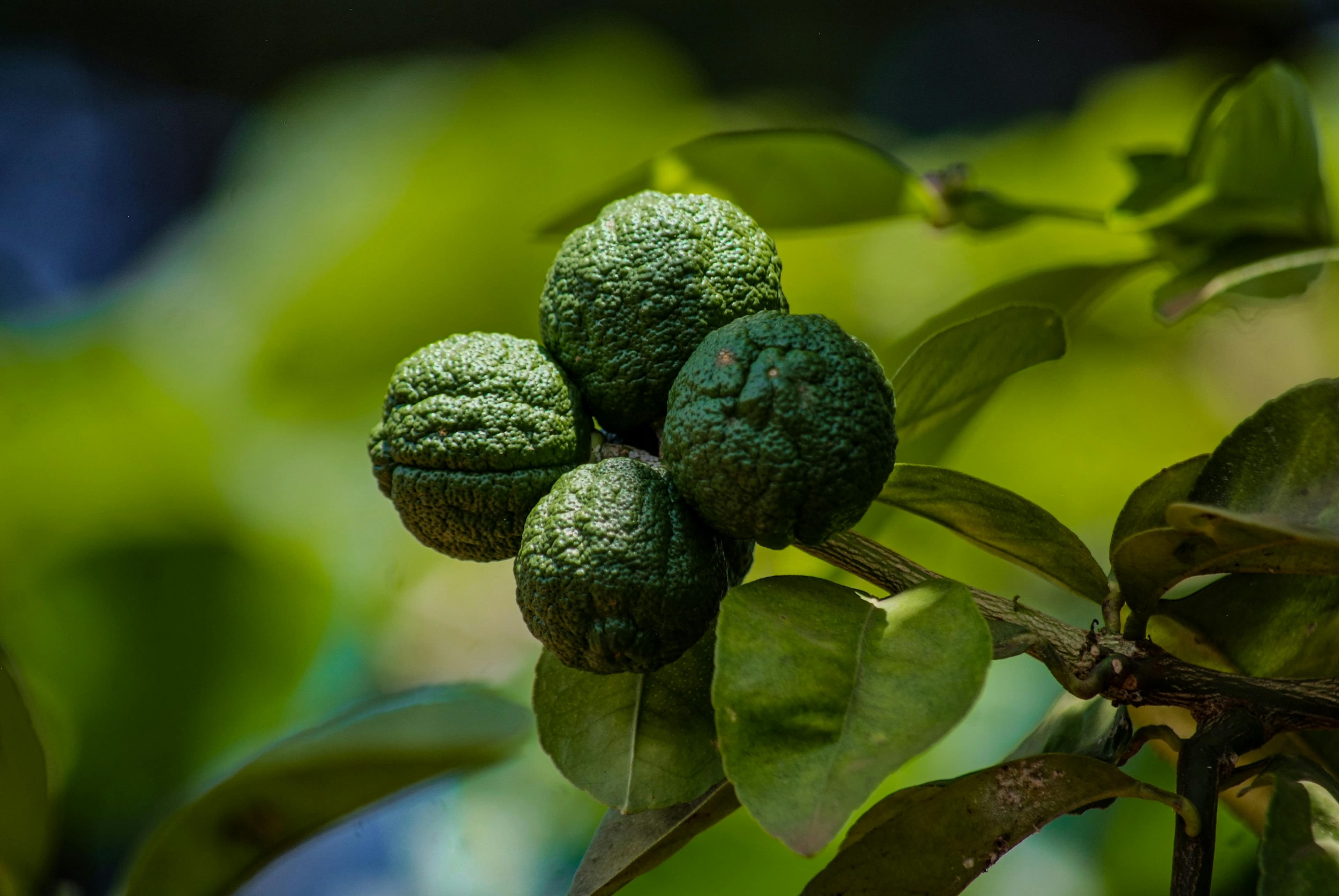
Our Legacy, Your Future
With over 65 years of experience and innovation, we continue to shape the future of phytosanitary protection in Africa. Our legacy of leadership, technical expertise, and continental collaboration guides us toward a future where food security and agricultural prosperity are a reality for all Africans.